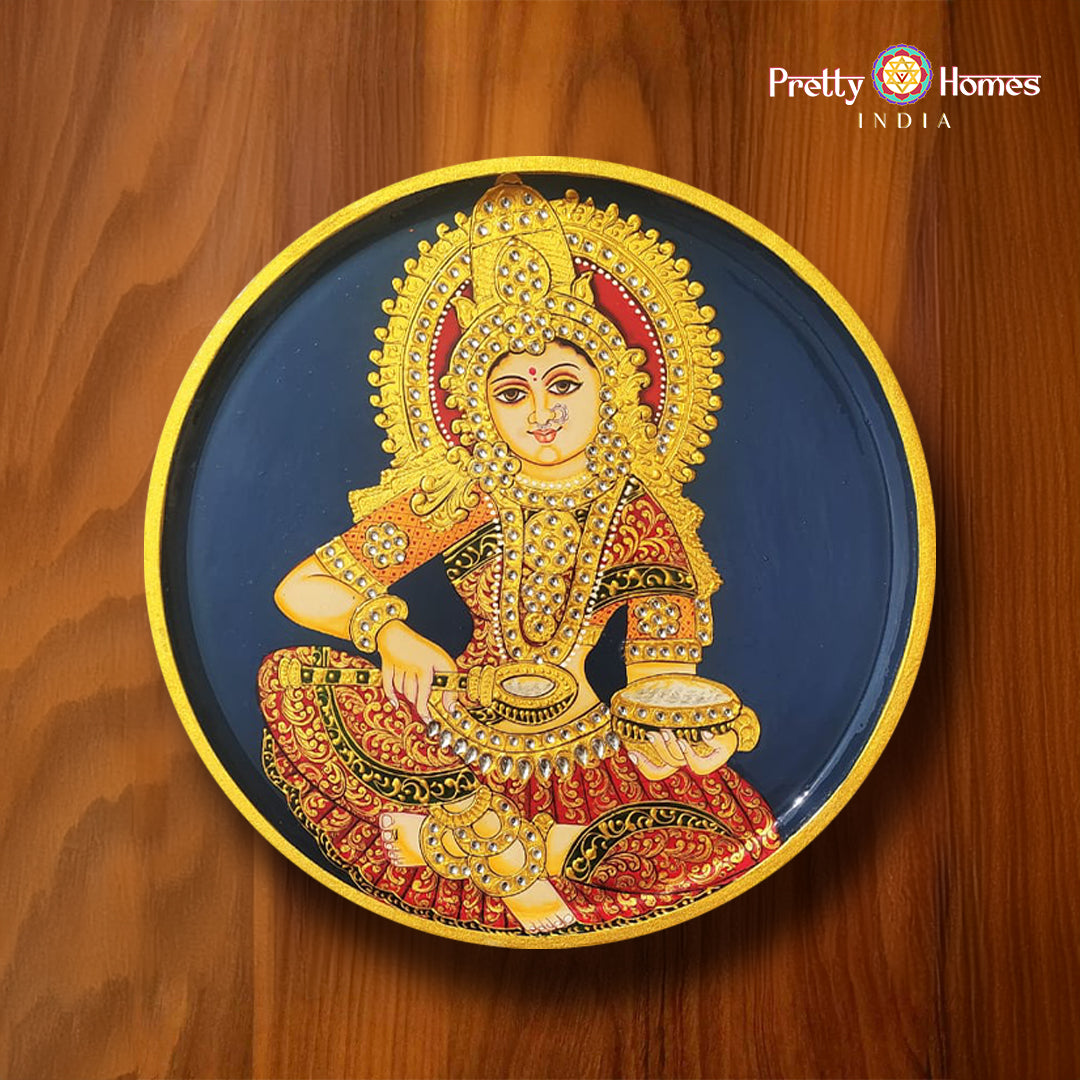
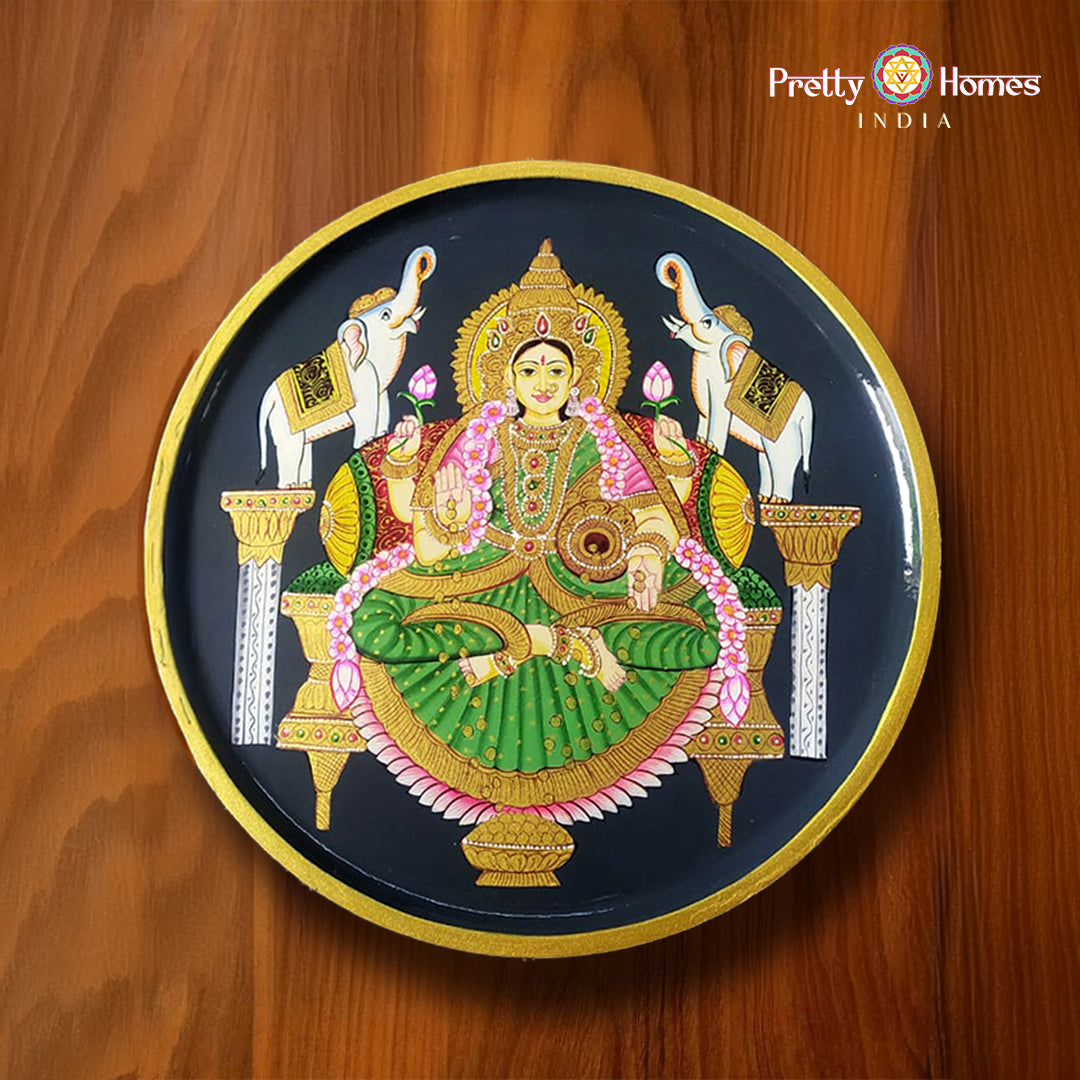
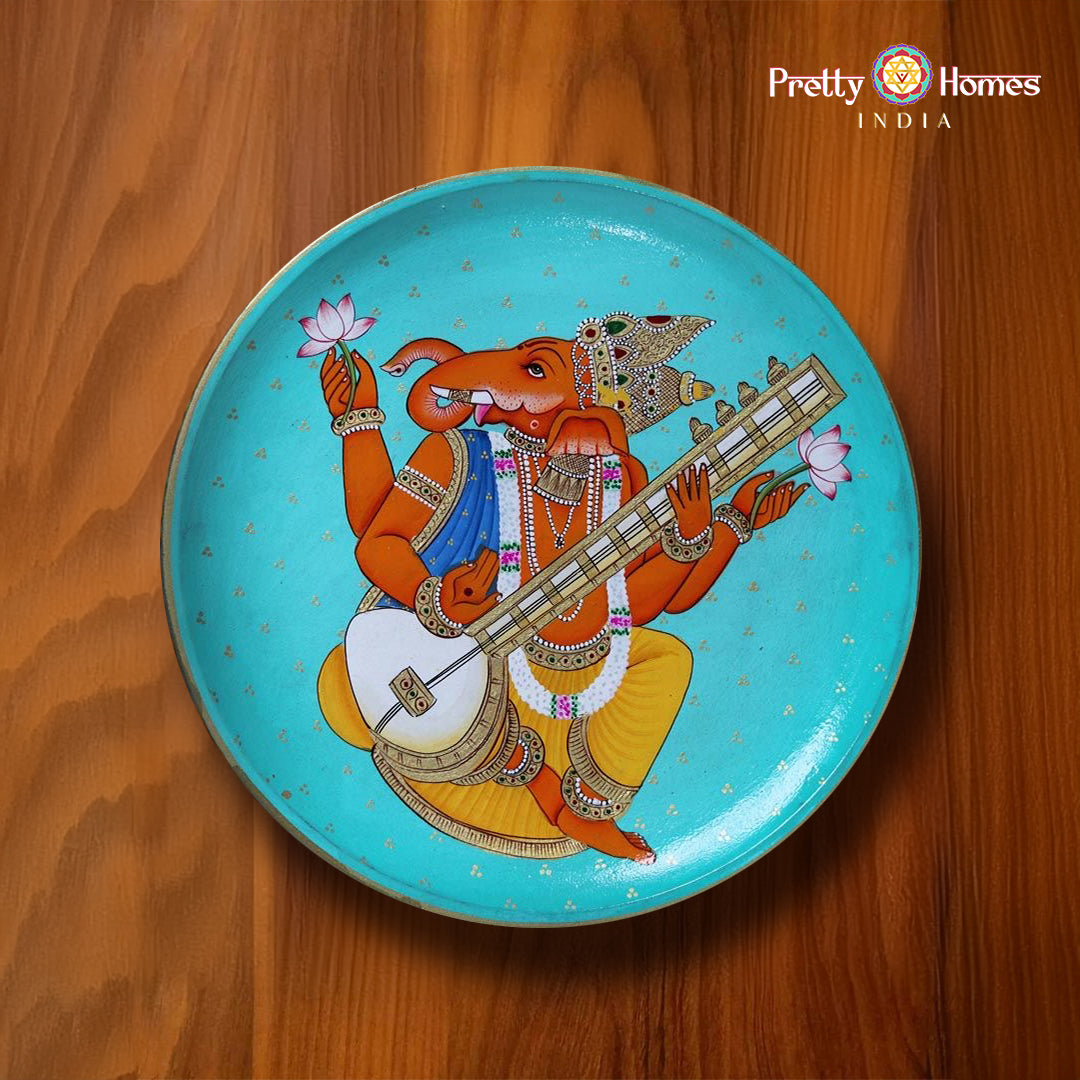
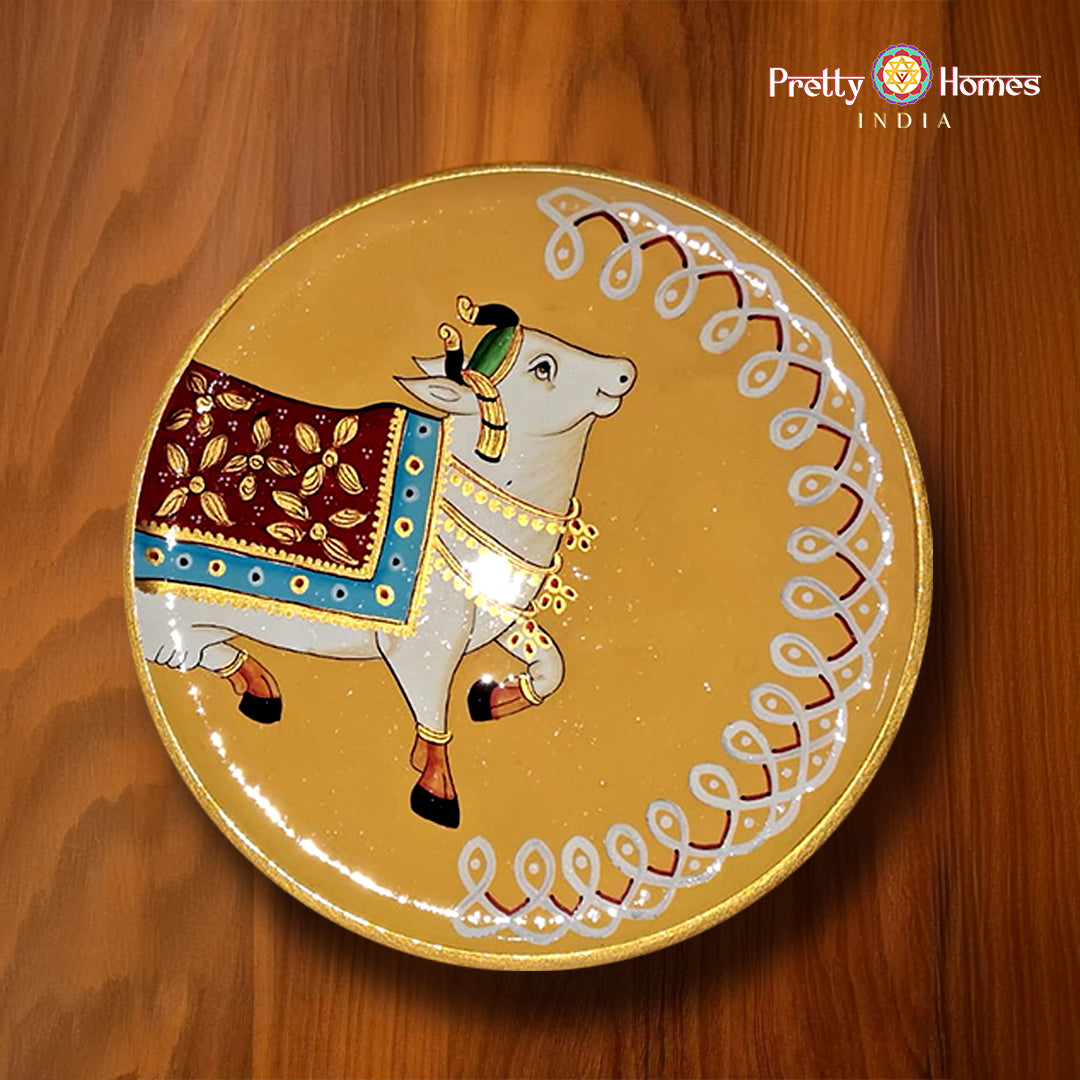
If you’ve spent any time browsing Indian traditional art, you’ve likely seen Tanjore and Pichwai paintings side by side. Both are devotional, deeply rooted in Indian culture, richly colored, and often feature Lord Krishna. It’s easy to assume they are variations of the same artistic tradition - but they are entirely distinct.
Originating from opposite ends of India, these two art forms use vastly different materials, techniques, and visual languages. Knowing how they differ makes it much easier to select the piece that truly elevates your home decor.
Key Takeaways for Buyers
-
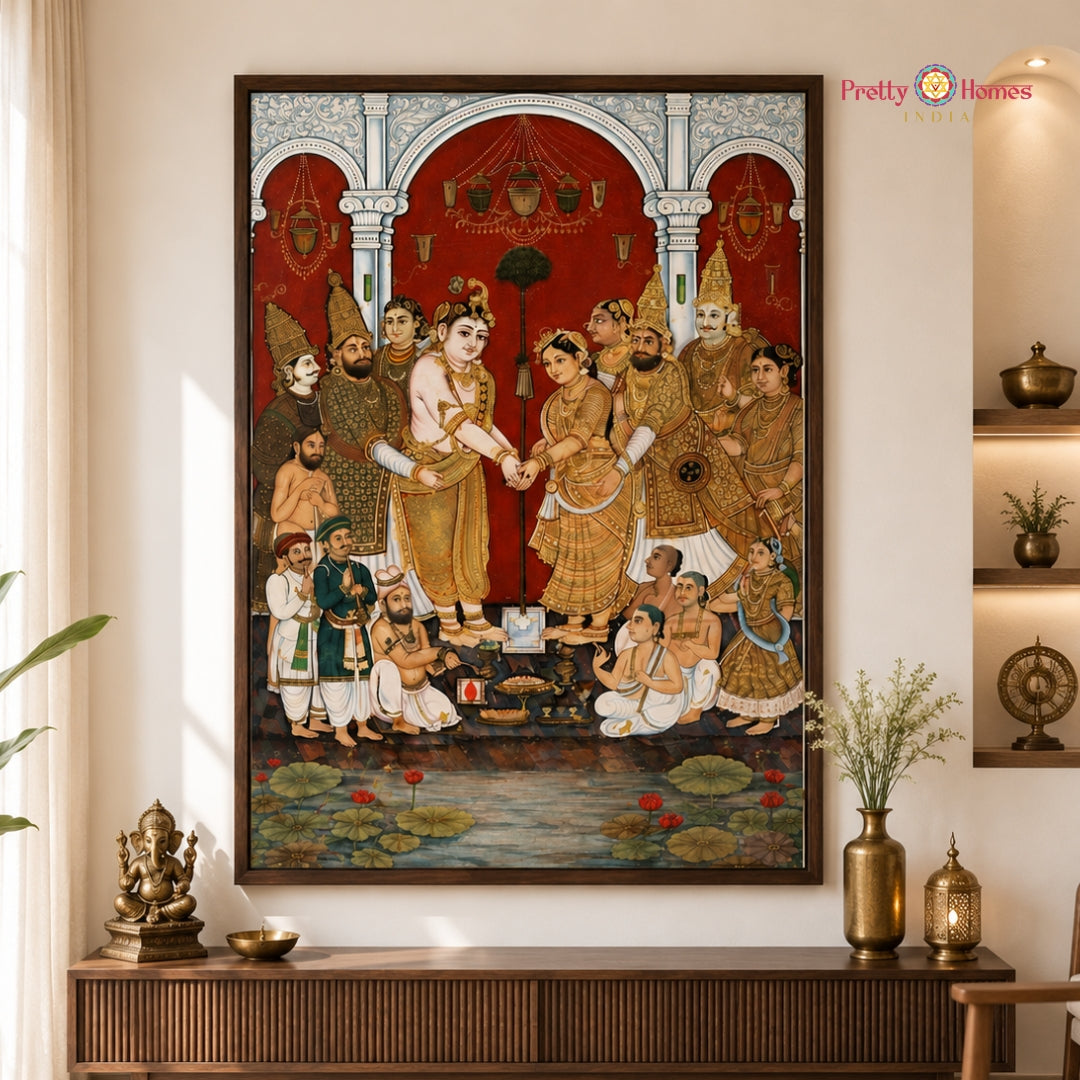
Tanjore Painting: A South Indian 3D relief art form created on solid wood. It features raised gesso work, genuine 22-karat gold foil, and embedded glass/semi-precious stones. Best as a glittering focal point in home shrines, foyers, or spotlit alcoves.
-
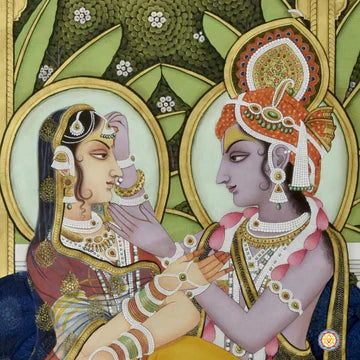
Pichwai Painting: A North Indian flat visual narrative art form created on cloth or paper canvas. It uses natural mineral pigments and intricate brushwork to depict rich scenes of Shrinathji (Krishna), lotus ponds, and sacred cows. Best for expansive gallery walls, living rooms, and narrative backdrop decor.
Tanjore vs Pichwai: Side-by-Side Comparison
|
Feature
|
Tanjore Painting (Thanjavur)
|
Pichwai Painting
|
|
Origin Region
|
Thanjavur, Tamil Nadu (South India)
|
Nathdwara, Rajasthan (North India)
|
|
Primary Canvas
|
Solid wooden board lined with cotton cloth
|
Starched cotton cloth, silk, or paper
|
|
Texture & Depth
|
Embossed 3D relief work (Gesso paste)
|
Smooth, completely flat surface
|
|
Key Materials
|
Limestone/chalk paste, 22K gold foil, cut glass, gems
|
Natural stone dyes, mineral pigments, gold wash
|
|
Central Subject
|
Iconic frontal pose of a single deity
|
Rich story scenes (Shrinathji, gopis, cows, lotus ponds)
|
|
Framing Style
|
Heavy teakwood frames with protective glass
|
Stretched cloth frame, scroll hanger, or float frame
|
|
Best Placement
|
Mandir / Pooja room, entry foyer, spotlit alcoves
|
Living room feature wall, dining area, grand hall
|

What is a Tanjore Painting?
Originating in the 16th century under the patronage of the Nayaka and Maratha rulers of Tamil Nadu, Tanjore (Thanjavur) painting developed as a sacred shrine art tied closely to the Bhakti movement.
Key Characteristics:
-
Tactile 3D Relief (Gesso Work): Artists blend unslaked lime powder (or chalk powder) with Arabic gum to build raised architectural details, pillars, crowns, and jewelry.
-
Genuine 22-Karat Gold Leaf: Thin sheets of authentic 22k gold foil are layered over the raised gesso work. This allows the painting to catch and reflect surrounding light.
-
Iconic Frontal Composition: Deities are typically depicted facing forward with soft, rounded facial expressions and large almond eyes, set within a decorative arch (Prabhavali).
What is a Pichwai Painting?
Developed over 400 years ago in Nathdwara, Rajasthan, Pichwai (translating to "that which hangs at the back") was created within the Pushtimarg tradition as a devotional backdrop behind the idol of Shrinathji (a 7-year-old manifestation of Lord Krishna).
Read more: Pichwai paintings the story soul magic behind india's most sacred art form.
Key Characteristics:
-
Intricate Micro-Brushwork: Pichwai contains no raised relief. Its depth comes entirely from layered pigments and fine line work on faces, borders, and garments.
-
Natural Mineral Dyes: Authentic Pichwai artists use ground stone dyes - such as lapis lazuli, malachite, and ochre—to create deep blues, greens, and warm earth tones.
-
Story-Driven Motifs: Instead of focusing on a single static figure, Pichwai brings full scenes to life. Popular motifs include Annakut (feasts), Kadamba trees, seasonal lotus ponds, and sacred Kamdhenu cows.
How to Choose the Right Style for Your Space
Which Art Style Suits Your Space?
Tanjore Painting Pichwai Painting
Rigid Wooden Board Canvas Flexible Cloth or Paper Canvas
Best with Direct / Spotlighting Best for Ambient / Diffused Light
Formal, Sacred Shrine Aesthetic Expansive Narrative & Color
Ideal Sizes: 1x1 ft to 3x4 ft Ideal Sizes: 2x3 ft to 6x8 ft
1. Wall Size & Room Scale
-
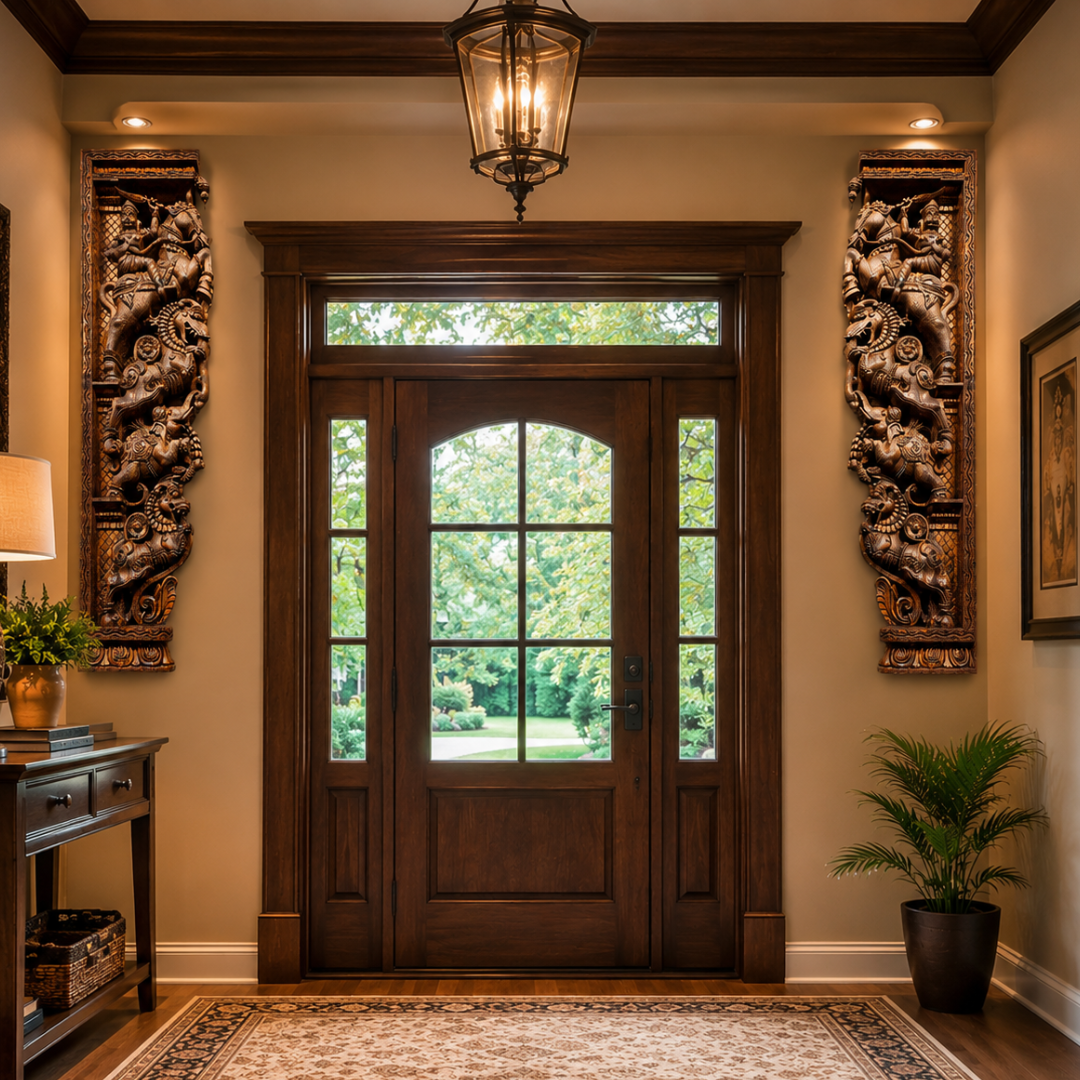
Choose Tanjore for compact or formal spaces: Due to their heavy wooden backing and thick frames, Tanjore paintings excel as central focal points in foyers, entryways, or home altars.
-
Choose Pichwai for large feature walls: Painted on flexible cloth or light panels, Pichwais can be created in expansive formats (4x6 feet or larger). They make striking statement pieces behind a sofa, dining table, or main living room wall.
2. Lighting Conditions
-
Tanjore: Thrives under focused lighting. Warm accent lights or direct spotlights make the 22k gold foil glisten and highlight the physical texture of the gesso relief.
-
Pichwai: Looks best in evenly lit, open spaces where guests can appreciate the fine brushstroke details, border patterns, and natural color gradients up close.
3. Understanding Price & Value
-
Tanjore Pricing Factors: Price tracks closely with the purity and surface area of 22k gold foil used, gesso depth, and whether semi-precious stones are used instead of glass beads.
-
Pichwai Pricing Factors: Price depends on canvas scale, artist expertise, and brushwork density. High-end Pichwais using pure stone pigments and real gold wash (Raja work) command a premium due to the months of painstaking labor required.
Can You Display Both Styles in the Same Home?
Yes. Because the two styles are visual opposites - one structured, tactile, and golden; the other fluid, flat, and story-driven; they complement each other without competing. A popular interior design strategy is placing a Tanjore piece near the foyer or home temple, while featuring a large Pichwai canvas as a main living room statement piece.
Frequently Asked Questions (FAQs)
1. Can you frame a Pichwai painting under glass?
Yes. While traditional temple Pichwais hung unframed as fabric backdrops, modern art collectors often mount cloth Pichwais onto archival boards and frame them under acrylic or non-reflective glass to protect the natural mineral dyes from dust and humidity.
2. How can you tell if a Tanjore painting uses real 22k gold foil?
Authentic 22k gold leaf does not tarnish or darken over time when exposed to air. Lower-quality reproductions made with metallic paint or synthetic foil will dull within a few years. Always ask your seller for an authenticity certificate for the gold foil purity.
3. What is the best way to clean a Tanjore painting?
Because Tanjore paintings are encased in glass and wooden frames, simply wipe the outer glass with a soft microfiber cloth and a mild glass cleaner. Avoid opening the frame or applying water or liquid directly onto the gold foil or gesso surface inside.